Amid rapidly growing adoption of enterprise AI agents, a disconnect is emerging between ambition and execution: 85% of organizations say they want to be agentic within the next three years, yet 76% say their current operations and infrastructure can’t support that change, citing a lack of readiness across people, processes, and workflows.
The core problem, argues PwC UK Consulting’s Prasun Shah, is that companies are layering AI agents onto existing operations rather than reimagining the operating model, and embedding “AI employees” into what remains a fundamentally human operating model, like patching a breaking system with sticky tape. For agentic AI to deliver material benefit, it cannot be an overlay; it demands systems-level change to how the organization itself is designed.
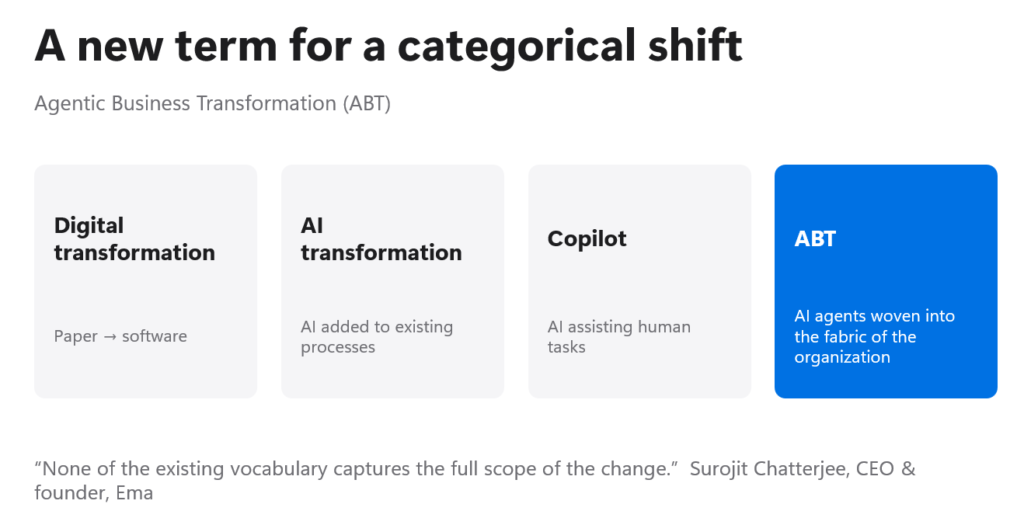
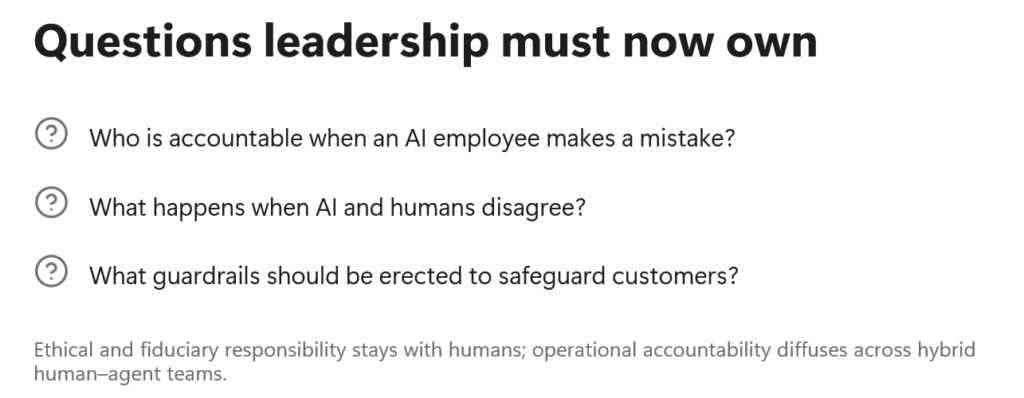
The organizations that will benefit most from agentic AI are those that treat it as a redesign of the enterprise itself, not a technology deployment layered onto structures built for a human-only workforce. Closing the gap between ambition and execution requires deliberate, parallel work across three fronts: rewiring the technology stack around agents as connective tissue, restructuring roles and management for hybrid human–agent teams, and replacing activity metrics with outcome-based measures of value. Equally urgent are the governance questions leadership can no longer defer , who is accountable when an agent errs, how disagreements between humans and AI are resolved, and what guardrails protect customers. Leaders who start this internal dialogue now, before agents scale across the enterprise, will be the ones who convert agentic ambition into durable competitive advantage.
Call to Action
Here are five call-to-action bullets:
- Audit Customer readiness gap now: assess whether customer current operations, infrastructure, and workflows can actually support agentic ambitions, before committing to deployment timelines. Don’t rush into the agentic stories, make sure baseline is there.
- Stop layering, start rewiring: redesign core workflows around agents as connective tissue across systems, rather than embedding AI employees into a human operating model. Just introducing Agents to the workflow will not do the trick – like in any successful transformation, customer need to reimagine the process.
- Redesign roles and management for hybrid teams: act on recruitment, upskilling, and manager enablement today, given that three in four jobs will require redesign or redeployment by 2030.
- Shift measurement from output to outcome: retire activity metrics and anchor agent performance to customer satisfaction, retention, and revenue impact. As with Microsoft, doing stuff is not delivering stuff. Be clear on metrics and what will be measured.
- Open the accountability dialogue at leadership level: define who owns agent errors, how human–AI disagreements are resolved, and what guardrails safeguard customers, before scale forces the issue.